
Kasungu fence nears completion, bringing hope to border communities
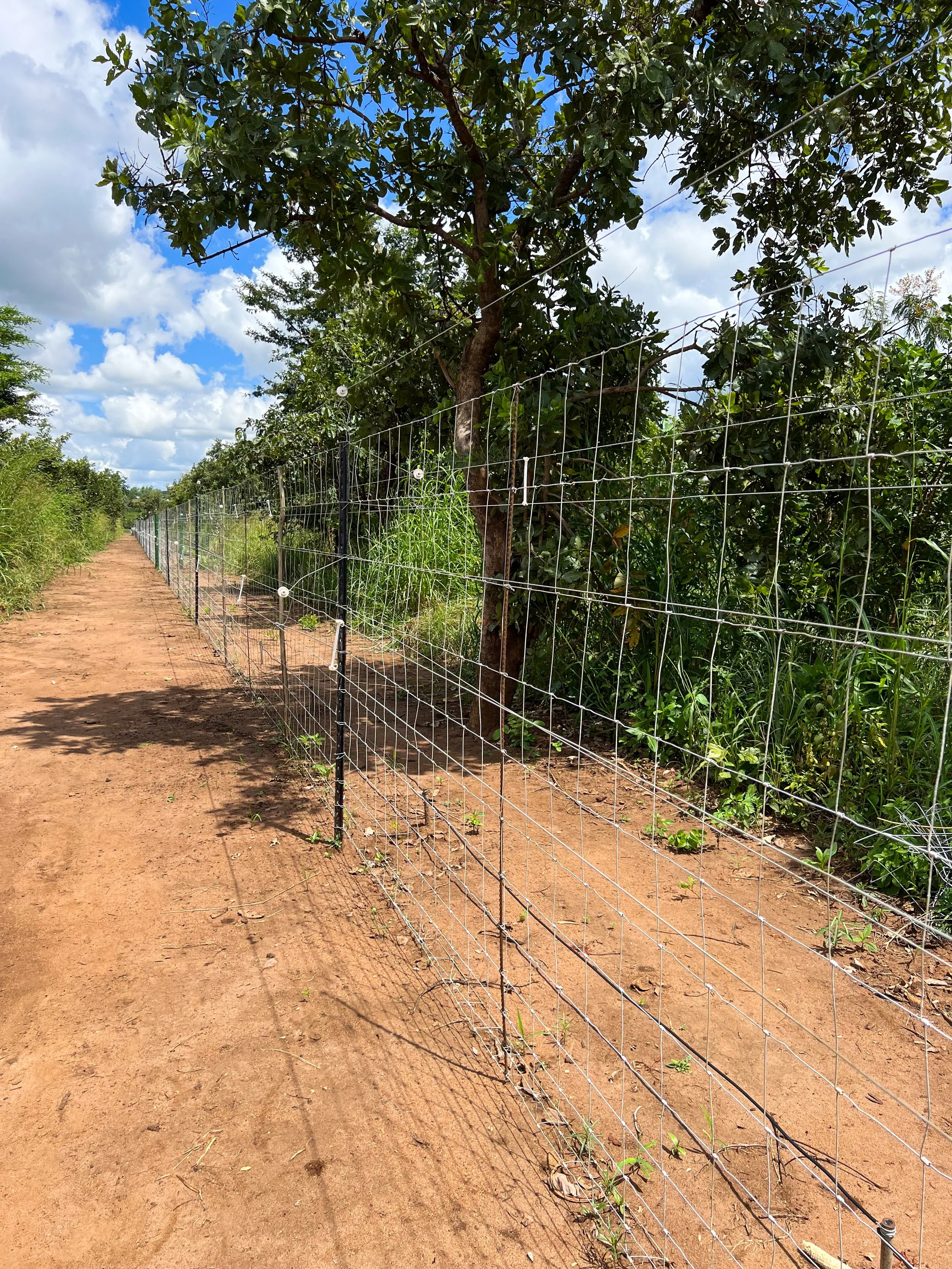
A major conservation effort by the Government of Malawi, supported by the International Fund for Animal Welfare (IFAW), is close to transforming life for communities around Kasungu National Park. With more than 133 kilometres of protective fencing now in place, human-wildlife conflict is reducing across much of the park's perimeter.
The project, backed by MWK 2.8 billion in IFAW support, set out to construct approximately 145 kilometres of wire fencing along the eastern boundary of Kasungu National Park. This fencing is designed to prevent elephants and other wildlife from straying into surrounding villages. Like many communities living alongside animals, communities in Chisinga and Chulu have faced crop damage, food insecurity, and in some cases, loss of life due to animals moving beyond the park’s unfenced boundaries. The Government of Malawi’s initiative represents one of the most significant steps taken to address this long-standing crisis.
IFAW's broader approach to human–wildlife conflict goes beyond fencing alone. Working alongside government authorities and local partners, IFAW provides both financial and technical support for community sensitisation and engagement, physical and virtual fencing, and capacity-building for rapid-response teams made up of volunteers living in the affected areas. This proactive, community-rooted model is designed to ensure that people and elephants can coexist, and that local communities are equipped to respond quickly when conflict does arise.
In Kasungu, the results already speak for themselves across the completed sections. Brighton Kumchedwa, Director of the Department of National Parks and Wildlife (DNPW) confirmed that most of the fence is now in place, with around 2 kilometres remaining. The final section, covering parts of Chisinga and Chulu, has been temporarily paused following a court injunction arising from a boundary dispute between some community members and the government. This arose after residents who had settled within the designated protected area resisted relocation requests.
Kumchedwa acknowledged that resolving the dispute swiftly is a priority, noting that the incomplete section has created a gap that affects both community safety and wildlife security.
"That stalled section has created loopholes that allow people to access the park illegally and engage in activities such as poaching," he said. Construction is expected to resume as soon as the court delivers its ruling.
Local leadership is actively working to break the impasse. Traditional Authority Chisinga said he would engage his community directly to help them understand the importance of completing the project.
"I will engage my people to help them understand the importance of this project, with the hope that work can soon resume to reduce human–wildlife conflict," he said.
With the legal process underway and community dialogue ongoing, IFAW and the Government of Malawi remain committed to seeing the project through to completion, delivering full protection to Chisinga, Chulu, and all communities bordering Kasungu National Park.