
Survey Reveals Overwhelming Public Support for Wildlife Conservation in Zambia
A new national survey commissioned by Wild Africa and the International Fund for Animal Welfare (IFAW) has found overwhelming public support for wildlife conservation in Zambia, with 79% of respondents describing the country's wildlife as national heritage worth protecting and 92% recognising its importance to the economy.
The findings, drawn from 800 face-to-face interviews across urban and rural districts in Lusaka and Eastern Province, point to wildlife being understood as a strategic national asset rather than an abstract environmental concern. Respondents cited tourism, employment and national revenue as the primary reasons they value wildlife protection, alongside a strong sense of obligation to future generations.
Support for coexistence was particularly striking. 90% of respondents said they would welcome information on living peacefully with wildlife, a figure that rose to 97% in rural areas. Far from withdrawing in the face of conflict, affected communities are actively seeking guidance.
The data also points to a remarkable resilience in community support. Even though 85% of rural respondents reported personal experience of human-wildlife conflict, 80% said they would still report poaching or wildlife smuggling, suggesting that living alongside wildlife strengthens a sense of conservation responsibility.
On practical responses, 83% of respondents, rising to 94% in rural areas, identified polywire fencing as their preferred solution to human-elephant conflict, signalling a clear community preference for long-term preventive measures over short-term deterrents.
The study also identified a potentially significant pipeline for community-based conservation employment. 90% of respondents expressed interest in pursuing a career in conservation, rising to 95% in rural areas.
“These findings show that Zambians don’t just value wildlife, they are ready to play an active role in protecting them,” said Peter Knights, OBE, CEO of Wild Africa. “Even in areas most affected by conflict, communities are calling for practical solutions, not turning away from conservation.”
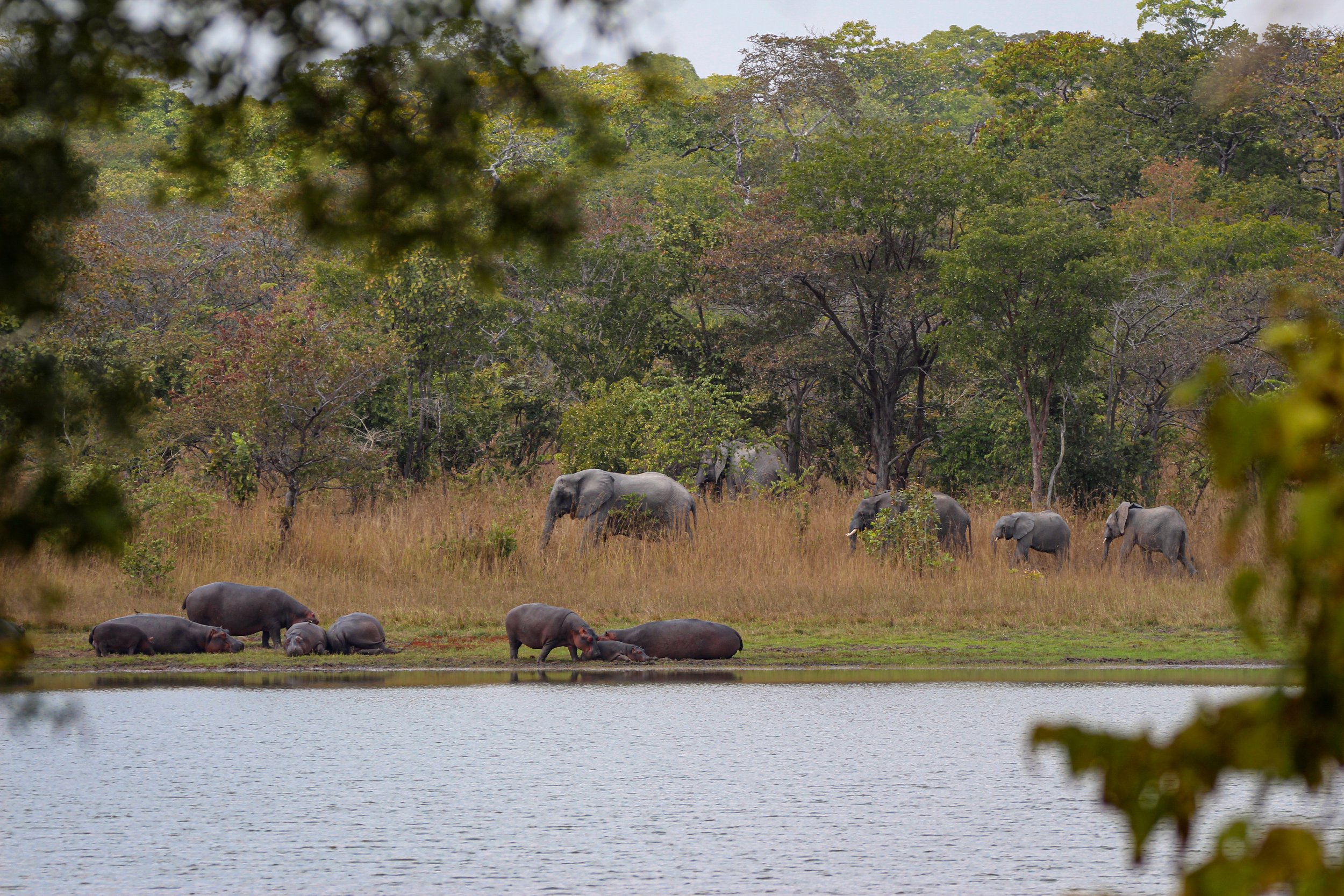
Sharon Maisey / © IFAW
IFAW President and CEO Azzedine Downes acknowledged that human-wildlife conflict remains a persistent challenge in conservation, but said "the message of this research is clear. Those who live alongside wildlife want solutions that prioritise long-term coexistence. They want, and deserve, to be part of the answer, which is exactly the foundation upon which IFAW looks to build."
The findings arrive against a backdrop of rising human-wildlife conflict globally, driven by expanding settlements and shrinking habitats. They suggest that Zambia's affected communities are not adversaries of conservation but potential stewards seeking practical support.
The study was conducted by Consumer Feedback Consultancy between 29 January and 14 February 2026.